
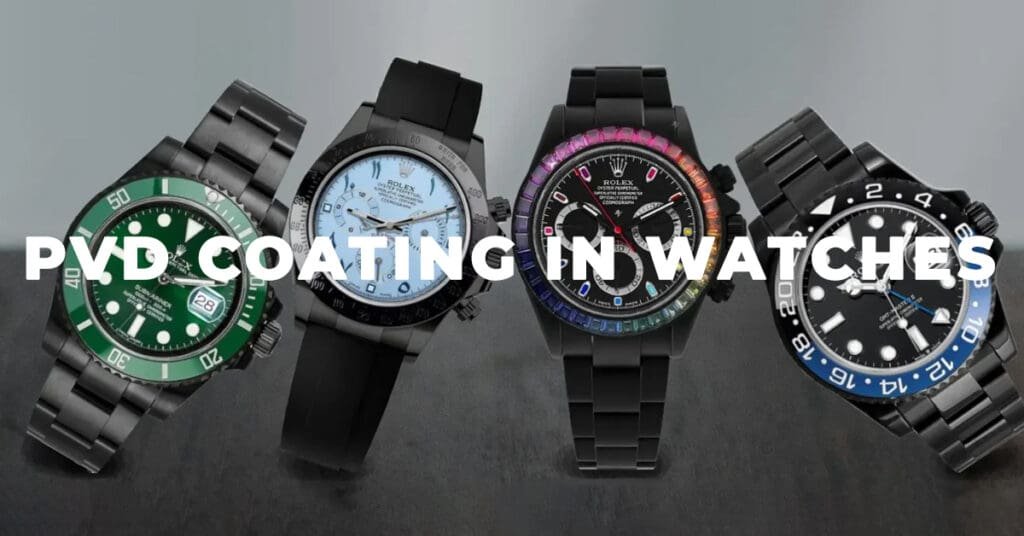
Introduction: The Science Behind That Sleek Watch Finish
Ever admired a watch with a bold black, gold, or rose-gold tone and wondered how it stays that way without fading or chipping?
The secret lies in a technology called PVD coating — short for Physical Vapor Deposition.
PVD has become the industry standard for premium watch finishes, used by brands like Tissot, Seiko, Titan, and Citizen. It enhances not only the look of your watch but also its durability, making it resistant to scratches, corrosion, and color fading.
In this Fashion Audit guide, we’ll break down what PVD coating is, how it works, and why it’s an important factor when choosing a high-quality watch.
1. What Is PVD Coating?
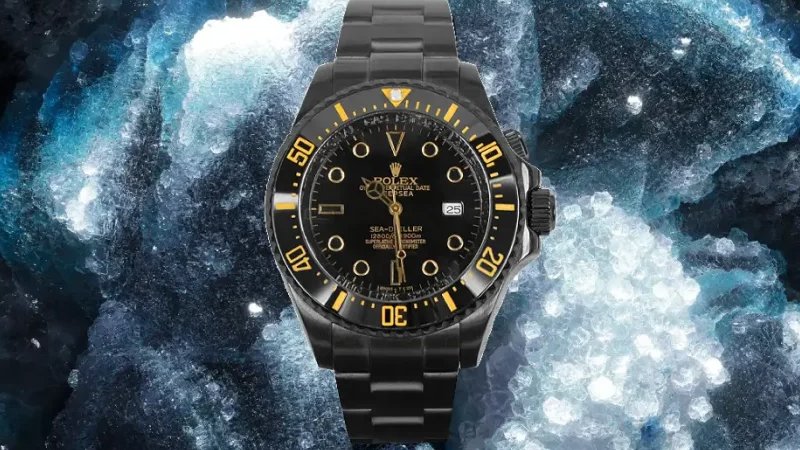
PVD (Physical Vapor Deposition) is a vacuum-coating process used to apply a thin, hard layer of material onto a watch’s surface — typically stainless steel or titanium.
This coating improves color, texture, and resistance without affecting the original metal’s strength or feel.
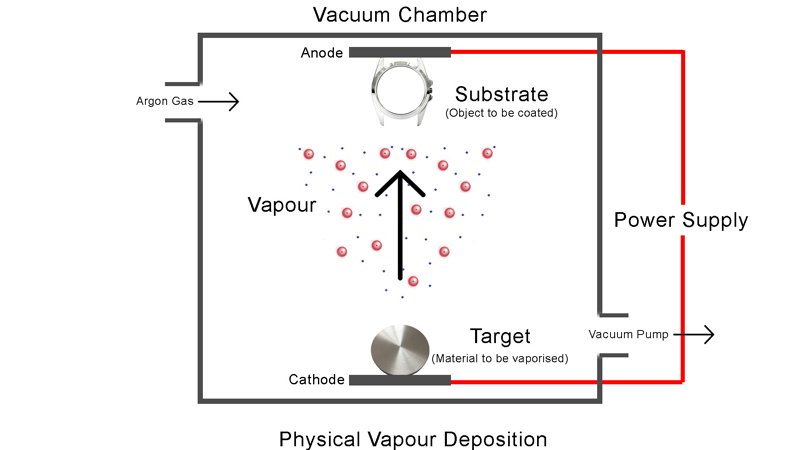
How It Works (Simplified):
- The watch case or bracelet is placed inside a vacuum chamber.
- Solid materials (like titanium nitride or zirconium) are vaporized into a gas.
- These vaporized particles bond to the metal surface on an atomic level.
- The result: a durable, scratch-resistant, and beautifully colored layer.
Fashion Audit Insight:
PVD coating isn’t just paint — it’s molecular science designed for longevity.
2. Why PVD Coating Is Used in Watches
Watchmakers use PVD to improve both the aesthetic appeal and durability of their products.
Main Benefits:
- Scratch resistance: The coating is harder than traditional plating.
- Color durability: Colors stay vibrant for years without fading.
- Corrosion protection: Acts as a barrier against sweat, moisture, and oxidation.
- Eco-friendly process: No harmful chemicals are used, unlike electroplating.
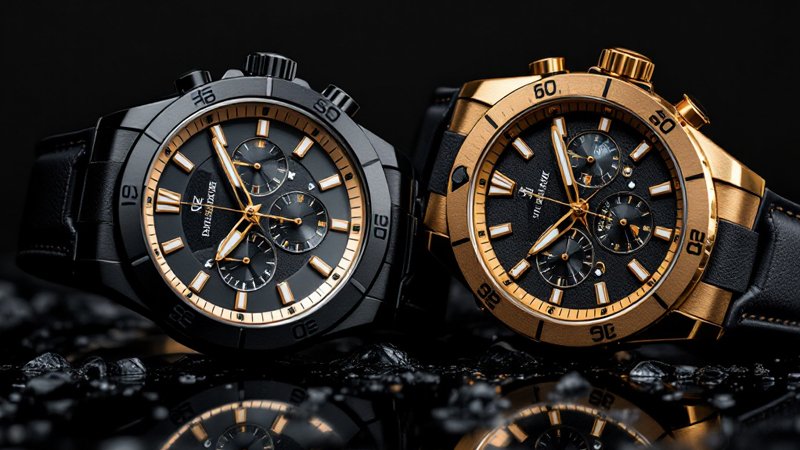
- Luxurious appearance: Allows unique finishes — matte black, gunmetal, gold, or rose gold.
Fashion Audit Note:
PVD gives affordable watches a premium, long-lasting finish previously reserved for high-end luxury brands.
3. PVD vs Traditional Electroplating
| Feature | PVD Coating | Electroplating |
|---|---|---|
| Thickness | 0.25–5 microns (even and consistent) | 1–20 microns (uneven) |
| Durability | Highly scratch-resistant | Prone to chipping or fading |
| Eco-Friendliness | Chemical-free process | Uses toxic solutions |
| Color Options | Black, gold, rose gold, blue, gunmetal | Mostly silver or gold |
| Longevity | 5–10 years (or more) | 1–3 years on average |
Fashion Audit Verdict:
PVD coatings are superior in both appearance and lifespan — a clear upgrade over traditional plating.
4. Common PVD Coating Colors in Watches
PVD opens up a wide range of design possibilities for watchmakers.
| Color | Material Used | Style Impact |
|---|---|---|
| Black PVD | Titanium nitride or carbon | Sleek, bold, modern |
| Gold PVD | Zirconium nitride | Luxurious and timeless |
| Rose Gold PVD | Copper and titanium alloys | Elegant, trendy, warm |
| Gunmetal Grey | Graphite-based compounds | Industrial, minimal |
| Blue PVD | Cobalt alloys | Sporty and futuristic |
Fashion Audit Tip:
Black and rose-gold PVD are 2025’s top color trends for both men’s and women’s watches.
5. How Durable Is PVD Coating?
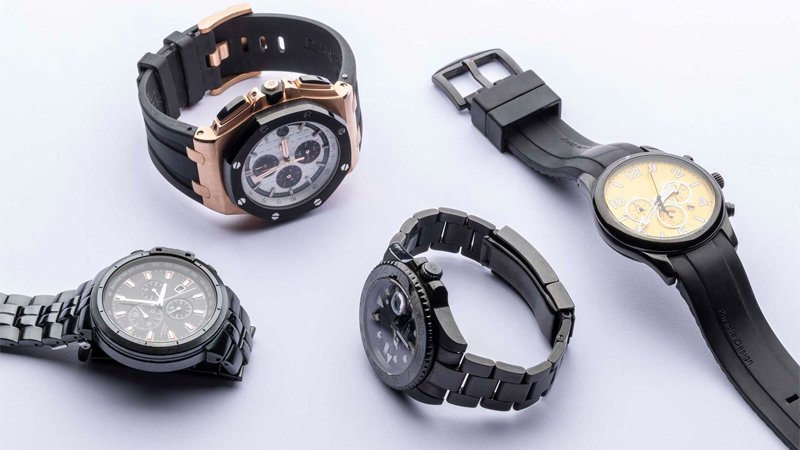
PVD coatings are incredibly tough — up to 10 times more durable than standard electroplating.
They resist minor scratches, corrosion, and discoloration caused by sweat, UV rays, and water.
However:
- The coating can wear off under extreme friction (especially on sharp bracelet edges).
- Rough use or exposure to harsh chemicals can dull the finish over time.
Fashion Audit Tip:
Treat PVD-coated watches with care — while durable, no coating is completely indestructible.
6. How to Care for PVD-Coated Watches
Even with their toughness, regular maintenance helps keep your PVD watch looking flawless.
Daily Care:
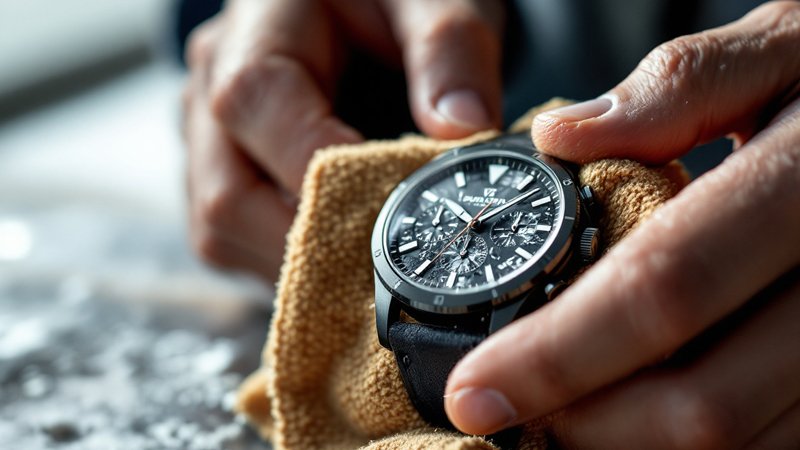
- Wipe with a soft microfiber cloth after use.
- Avoid contact with perfumes, alcohol, or cleaning sprays.
- Remove your watch before gym sessions or swimming.
Deep Cleaning (Monthly):
- Dip a soft cloth in mild soapy water.
- Gently clean the case and bracelet (avoid soaking).
- Dry thoroughly with a clean towel.
Long-Term Care:
- Store in a padded watch box.
- Don’t polish aggressively — use a special coating-safe cloth.
Fashion Audit Insight:
Good habits ensure your PVD finish stays radiant for a decade or more.
7. PVD Coating in Popular Watch Brands (2025)
| Brand | Example Model | Coating Type |
|---|---|---|
| Tissot | PRX Black Edition | Black PVD |
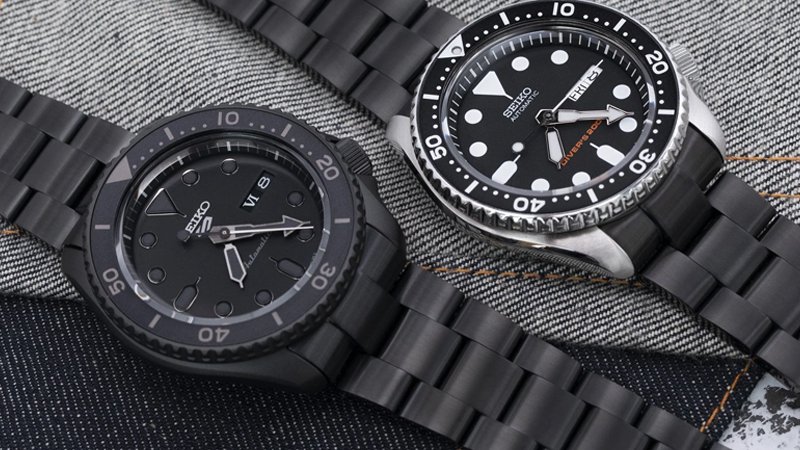
| Seiko | Prospex Solar Diver | Gunmetal PVD |
| Citizen | Eco-Drive Gold Chronograph | Gold PVD |
| Casio | Edifice Stealth Black | Black Carbon PVD |
| Titan | Grandmaster Rose Gold | Rose-Gold PVD |
Fashion Audit Note:
PVD is now standard in most modern watches — even entry-level brands use it to enhance longevity and design appeal.
8. Is PVD Coating Worth It?
Absolutely — especially if you want a watch that looks premium, resists wear, and holds its color for years.
Pros:
- Long-lasting finish
- Scratch and corrosion resistance
- Wide color options
- Eco-friendly technology
Cons:
- Slightly more expensive
- May wear off with rough use
- Not easily repairable if damaged
Fashion Audit Verdict:
A PVD-coated watch is a smart investment — it offers luxury looks and performance without constant maintenance.
9. PVD vs DLC (Diamond-Like Carbon) Coating
Some luxury watches now use DLC coating, an advanced form of PVD that adds a carbon layer for extreme scratch resistance.
| Feature | PVD | DLC |
|---|---|---|
| Hardness | 1,200–2,000 HV | 3,000+ HV |
| Finish | Glossy or matte | Deep matte black |
| Durability | Excellent | Superior |
| Cost | Moderate | High-end only |
Fashion Audit Tip:
DLC is a premium evolution of PVD — if you want a scratch-proof black watch, DLC is worth the splurge.
10. How Long Does PVD Coating Last?
A high-quality PVD coating can last 5–10 years, depending on:
- Usage frequency
- Exposure to chemicals
- Thickness and type of coating
- Maintenance routine
Fashion Audit Note:
With proper care, a PVD-coated watch will maintain its finish longer than most polished metal watches.
11. When to Avoid PVD Watches
You may want to skip PVD coating if:
- You work in environments with constant friction or chemicals.
- You prefer high-gloss finishes (PVD is typically matte or satin).
- You want a polishable surface — once scratched deeply, PVD cannot be buffed like metal.
12. Conclusion: A Fusion of Technology and Style
PVD coating represents the perfect marriage of science and design.
It enhances a watch’s beauty, adds strength, and ensures your favorite piece withstands years of wear — all while maintaining its color and luster.
Whether you choose a matte black sports watch, a rose-gold dress piece, or a gunmetal chronograph, PVD gives you the best of both worlds: style that lasts and durability that performs.
Fashion Audit Final Verdict:
“PVD coating isn’t just a finish — it’s a promise of lasting luxury.”
Disclaimer:
All trademarks, logos, product names, and brand identifiers mentioned on FashionAudit.com are the property of their respective owners. They are used solely for the purpose of product review, comparison, and consumer information. FashionAudit.com does not claim any ownership of these marks.
No copyright or trademark infringement is intended. If any brand or rights holder believes their intellectual property has been misused, they can contact us directly and we will address the issue promptly.