
Introduction: Why Wood Is Still Used in Clogs
Clogs are one of the oldest footwear styles in the world. However, their relevance has not faded. The wood clog material is a key reason why wooden clogs continue to attract wearers due to their durability, stability, and distinctive aesthetic.
Moreover, wood offers properties that many modern materials cannot replicate. As a result, clogs with wooden bases often stand out during heritage- and durability-focused fashion audits, especially when craftsmanship and longevity are evaluated.
What Is Wood Clog Material?
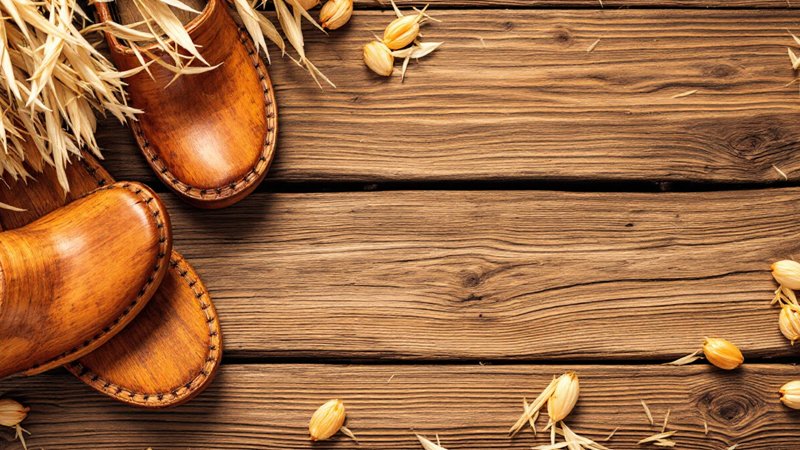
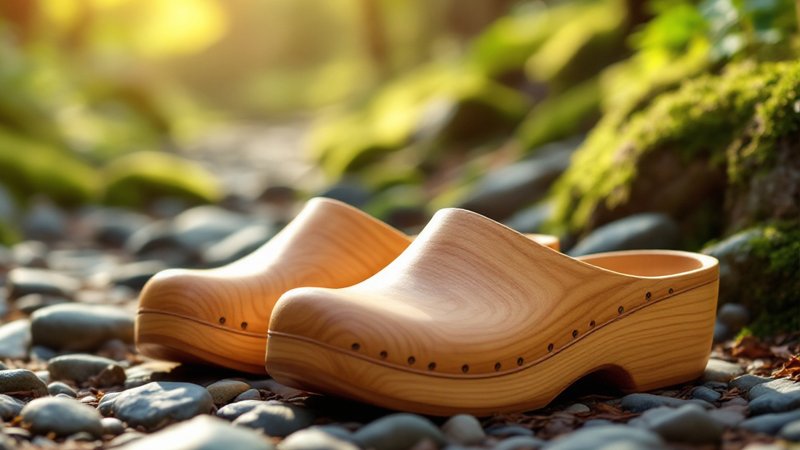
Wood clog material refers to the solid wooden base used in traditional and modern clogs. Unlike foam or rubber soles, wood provides a firm, stable platform for the foot.
Commonly used woods include:
- Alder
- Beech
- Poplar
- Maple
These woods balance strength, weight, and workability.
How Wooden Clogs Are Made
Manufacturers typically create wooden clogs through:
- Selecting seasoned hardwood blocks
- Cutting and shaping the clog base
- Hollowing the footbed area
- Sanding for smoothness
- Attaching leather or textile uppers
As a result, the clog offers a rigid yet supportive structure.
Key Benefits of Wood in Clog Construction
Exceptional Durability
Wood resists compression and deformation. Therefore, clogs maintain shape for years.
Natural Stability
The rigid base promotes balance and posture.
Breathable Underfoot Feel
Wood does not trap heat like foam materials.
Distinctive Aesthetic
Wood adds a handcrafted, timeless look.
Wooden Clogs vs Modern Foam Clogs
| Feature | Wooden Clogs | Foam Clogs |
|---|---|---|
| Support | Very high | Moderate |
| Durability | Excellent | Limited |
| Flexibility | Low | High |
| Longevity | Years | Short-term |
| Best use | Work & lifestyle | Casual comfort |
As a result, wooden clogs suit structure-focused wear.
Where Wooden Clogs Perform Best
People commonly choose wooden clogs for:
- Work environments
- Gardening and outdoor tasks
- Traditional or cultural wear
- Fashion-forward styling
- Long-term daily use
Therefore, they work well where stability matters most.
Comfort and Walking Experience
Wooden clogs feel:
- Firm and stable
- Supportive underfoot
- Slightly elevated due to sole thickness
However, they lack cushioning and require adjustment.
Durability and Long-Term Performance
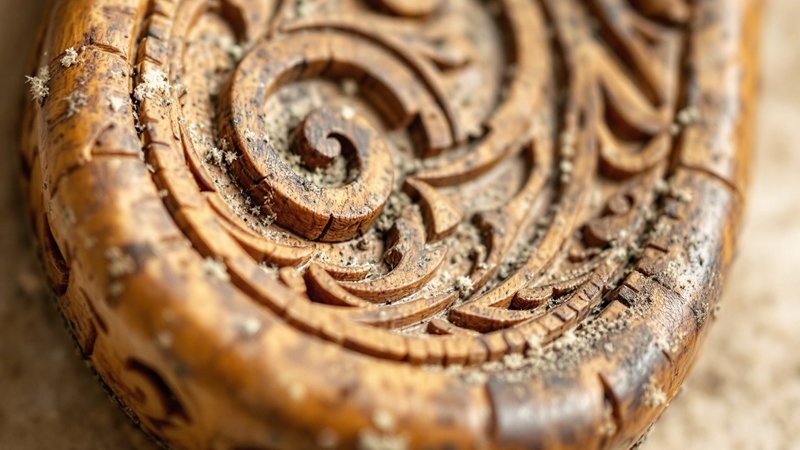
Wooden soles age gracefully. Instead of wearing out quickly, they develop character over time.
With regular use:
- Shape remains intact
- Surface smooths naturally
- Structural integrity stays strong
As a result, wooden clogs often outlast many modern shoes.
Care Tips for Wood Clog Material
Proper care preserves performance. For example:
- Keep wood dry
- Wipe clean after use
- Avoid prolonged moisture exposure
- Store in dry conditions
Sustainability Perspective
Wood is a renewable resource when responsibly sourced. Because of this, wooden clogs can be an environmentally conscious option.
During a sustainability-focused fashion audit, well-crafted wooden clogs often score high due to longevity and minimal synthetic content.
When Wood Clog Material Is the Right Choice
Choose wooden clogs if you want:
- Long-lasting footwear
- Strong structural support
- Traditional craftsmanship
- Unique visual appeal
As a result, they suit practical, heritage, and fashion-forward wearers alike.
Common Mistakes to Avoid
However, many people:
- Wear wooden clogs on slippery surfaces
- Expect cushioned comfort
- Expose them to water
- Skip sole protection
Avoiding these mistakes improves safety and longevity.
FAQs
Q1: Are wooden clogs comfortable?
They are supportive but firm underfoot.
Q2: Do wooden clogs last long?
Yes, they are extremely durable.
Q3: Are wooden clogs heavy?
They are heavier than foam shoes but well-balanced.
Q4: Can wooden clogs be worn daily?
Yes, especially for work or lifestyle use.
Q5: Are wooden clogs eco-friendly?
They can be when made from responsibly sourced wood.
Conclusion: Firm Support Rooted in Tradition
In conclusion, wood clog material delivers unmatched durability, stability, and timeless character. While firmer than modern cushioning materials, wood offers reliable support and long-term wear.
Ultimately, whether you’re choosing heritage footwear or evaluating material quality during a thoughtful fashion audit, wooden clogs remain a strong and enduring option.