
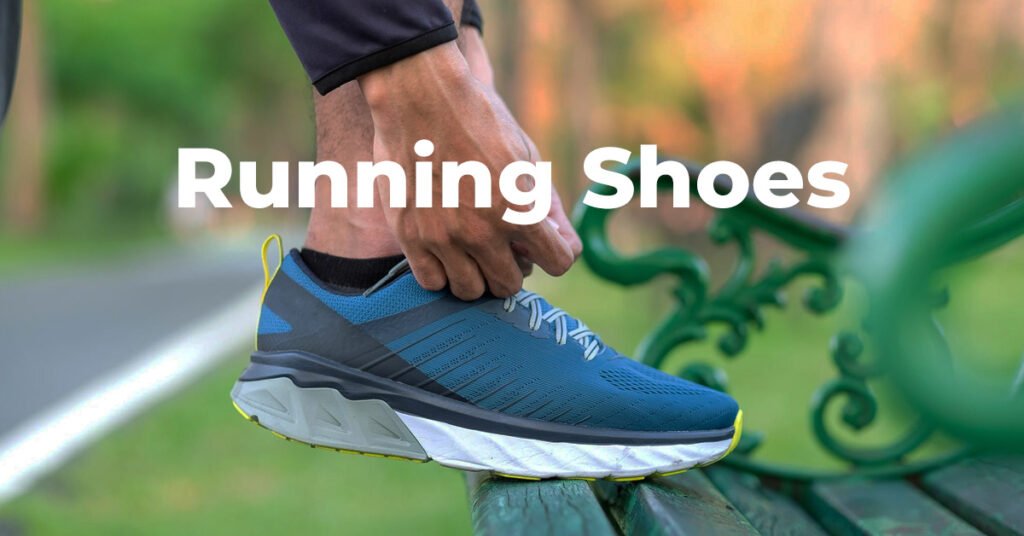
If you’ve ever bought running shoes just because they “looked sporty,” you probably know that regret after two weeks — sore feet, loose grip, or that feeling that the shoe just doesn’t perform.
Truth is, running shoes are not just sneakers with fancy soles. They’re built around support, cushioning, and durability— and when done right, they can transform how your feet feel every single day.
Here’s my honest guide to finding the best running shoes in India, how to tell which ones are worth your money, and what to actually avoid.
Why Running Shoes Matter (Even If You’re Not a Runner)
Running shoes aren’t just for runners.
Most of us wear them for gym workouts, walks, casual outings, or travel. A good pair gives:
Better posture and heel support
Protection against knee/ankle strain
All-day comfort on Indian roads and weather
In short, even if you don’t hit the track, your daily comfort depends on your shoes more than you think.
Types of Running Shoes (and What They’re Made For)
There are five main types of running shoes, and knowing the difference helps you buy smarter:
Neutral Running Shoes
Built for people with a normal walking/running pattern.
Balanced cushioning and flexibility.
Best for: Gym, treadmill, casual runs.
Stability Shoes
Added arch and ankle support for people whose feet roll inward (overpronation).
Best for: Long walks or heavy runners who need more structure.
 Motion Control Shoes
 Motion Control Shoes
Maximum support with firm midsoles — ideal if your feet overpronate heavily.
Best for: Runners needing orthopedic-level support.

Trail Running Shoes
Rugged soles with extra grip for outdoor and uneven surfaces.
Best for: Hiking, outdoor workouts, or Indian terrains with stones and slopes.

Lightweight / Speed Running Shoes
Feather-light, responsive cushioning.
Best for: Sprinting or short-distance runs.
If you’re unsure, Neutral or Stability shoes are safest for most Indian buyers.
What to Look for When Buying Running Shoes
| Factor | Why It’s Important | My Suggestion |
|---|---|---|
| Cushioning | Absorbs shock, protects knees | EVA or memory foam midsole |
| Upper Material | Decides breathability | Mesh or knit upper for Indian heat |
| Outsole Grip | Stops slips on wet roads | Rubber outsole with deep traction |
| Weight | Heavy shoes = tired legs | Under 300–350g per shoe ideal |
| Heel-Toe Drop | Affects running style | 8–12 mm for most runners |
| Fit | Determines comfort | Try half-size up if you wear thick socks |
Mistakes Most People Make (And How to Avoid Them)
Choosing design over comfort. Bright colors are cool, but it’s the sole that matters.
Ignoring arch type. If you have flat feet, avoid neutral shoes — go for stability ones.
Wearing old running shoes. After ~500 km or 6–8 months, cushioning dies.
Using running shoes as casual shoes daily. It kills the sole faster.
Not testing them properly. Always jog 5–10 steps before deciding your size.
My Honest Brand Picks (2025 Edition)
Here’s what actually works — not just hyped.
Under ₹1500: Campus, Sparx, Asian Shoes — decent entry-level pairs for gym or walks.
₹2000–₹4000: Puma, HRX, Reebok — comfortable and durable, good cushioning.
₹4000–₹7000: Skechers, Adidas, New Balance — soft midsoles, best for long runs.
₹7000+ (Premium): Nike Pegasus, Asics Gel-Nimbus, Hoka One One — designed for serious runners and those who value comfort above all.
🧠 Tip: If you walk more than you run, pick slightly firmer soles — softer ones wear out faster on pavements.
How to Style Running Shoes Beyond the Track
Running shoes have evolved — you can easily style them for everyday life too:
Pair white or neutral runners with joggers and an oversized tee for a travel look.
Black or grey sneakers go perfectly with cargos or training shorts.
Bold-colored running shoes can add energy to your casual fits — just keep the outfit simple.
Avoid mixing overly sporty designs with denim — it looks mismatched.
💬 My Final Verdict
Running shoes are an investment in comfort.
You don’t need to chase expensive models — just find one that fits your arch, gives decent bounce, and doesn’t tire your feet after an hour.
If you’re buying your first pair, start around ₹2,000–₹3,000 with brands like Puma or Reebok, then move to premium ones once you know your stride and fit.
Because at the end of the day, good running shoes aren’t about running faster — they’re about living pain-free.