fashionaudit.com

GenderCategoryBrandsBy Price
Keyword
Category
Search Category
Brands
By Price
₹0 - ₹2000
0 - 2000

Automatic Movements Explained: The 2025 Guide to Self-Winding Watches

1 December 2025

Introduction: The Heart That Winds Itself

Few things in watchmaking capture craftsmanship and precision like an automatic movement.
Known as self-winding watches, these timepieces blend art, engineering, and motion — powered not by batteries, but by your own wrist’s natural movement.

From the sweeping second hand to the intricate rotor that powers it, automatic watches represent the living soul of horology — a perfect balance of tradition and technology.

In this Fashion Audit guide, we’ll explain everything about automatic movements — how they work, what makes them unique, and why they remain the heartbeat of luxury watchmaking in 2025.


1. What Is an Automatic Movement?

An automatic movement (also known as a self-winding movement) is a type of mechanical watch movement that winds itself automatically through the natural motion of the wearer’s wrist.

Unlike quartz or battery-powered watches, automatics are entirely mechanical, made up of hundreds of tiny gears, springs, and screws — no electronics, no batteries, just pure mechanical energy.

Fashion Audit Insight:

An automatic movement is a living mechanism — it breathes through motion and ticks with precision.


2. How an Automatic Watch Works

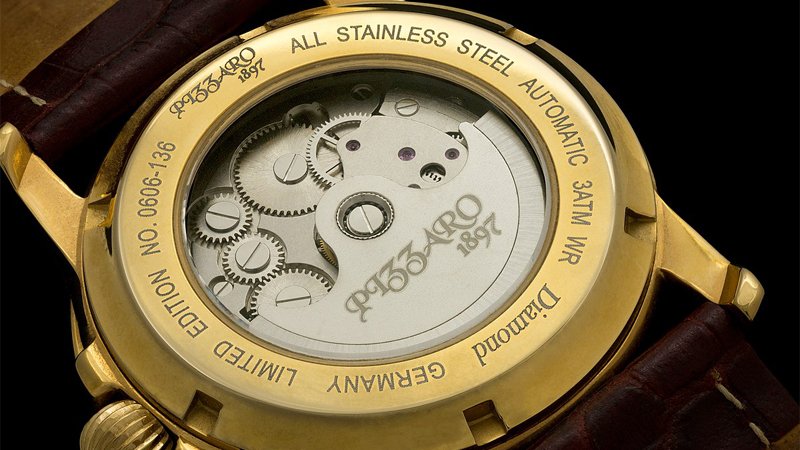
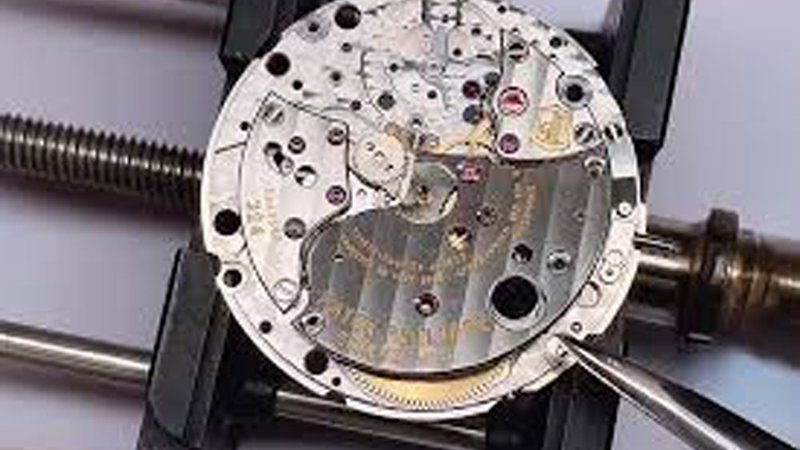
At its core, an automatic watch operates on the same principle as a manual mechanical watch, but with an added rotor — a semicircular metal weight that spins as you move your wrist.

Step-by-Step Process:

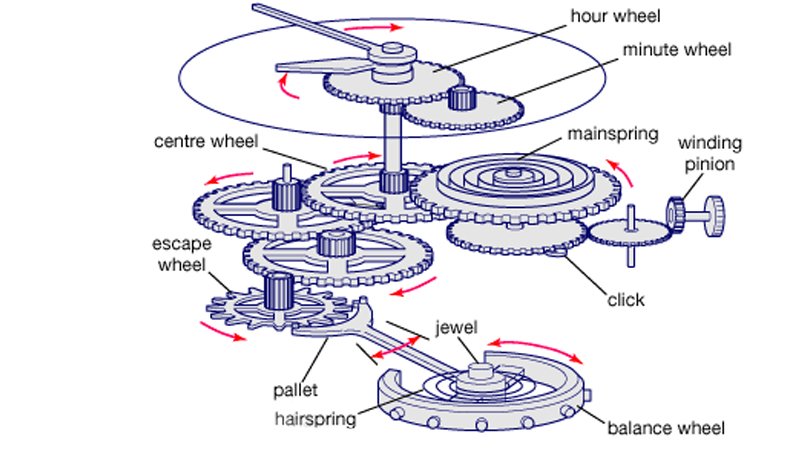
  1. Motion Powers the Rotor – As you wear the watch, the rotor swings freely with every wrist movement.
  2. Rotor Winds the Mainspring – The rotor transfers energy to wind the mainspring automatically.
  3. Energy Storage – The mainspring stores energy, releasing it gradually.
  4. Gear Train Transmission – Energy travels through the gear train to power the hands.
  5. Escapement Regulation – The escapement and balance wheel control energy flow to maintain accurate time.

Power Reserve:

Automatic watches typically have a power reserve of 36 to 80 hours, meaning they continue to run for 1–3 days after being removed.

Fashion Audit Tip:

Wearing your automatic daily keeps it fully wound — no manual winding required.


3. The History of Automatic Movements

The concept of a self-winding watch dates back centuries.

Timeline:

  • 1770s: Abraham-Louis Perrelet invents the first self-winding pocket watch.
  • 1920s: John Harwood creates the first automatic wristwatch.
  • 1950s–1970s: Automatic movements dominate Swiss watchmaking.
  • 1990s–2025: Modern innovations improve power reserves and precision.

Fashion Audit Note:

Automatic movements evolved from hand-crafted marvels to precision-engineered masterpieces — yet the soul remains unchanged.


4. Components of an Automatic Movement

ComponentFunction
RotorA metal weight that spins with wrist movement to wind the mainspring.
MainspringStores the watch’s energy.
Gear TrainTransmits energy to the escapement and hands.
EscapementRegulates energy release to maintain timing accuracy.
Balance WheelOscillates back and forth, acting as the watch’s heartbeat.
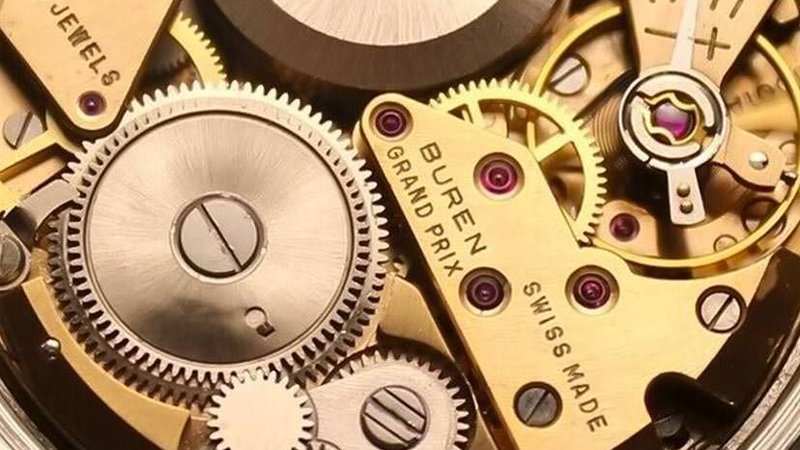
JewelsSynthetic rubies reduce friction in moving parts.
Power Reserve Indicator (in some models)Displays remaining stored energy.

Fashion Audit Insight:

Inside every automatic watch lies a micro-engineering wonder — a symphony of precision.


5. Automatic vs Quartz: What’s the Difference?

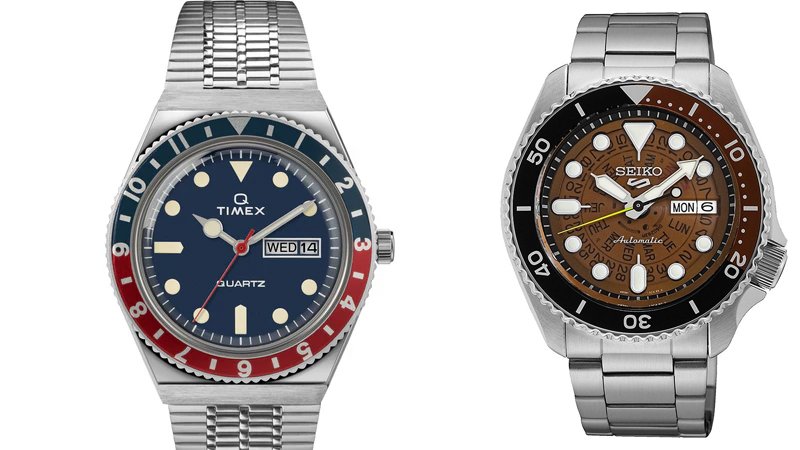
FeatureAutomatic WatchQuartz Watch
Power SourceWrist motion (mechanical energy)Battery (electric energy)
Accuracy±5–10 seconds/day±15 seconds/month
MaintenanceRequires occasional servicingMinimal
Feel & EmotionSmooth sweep, mechanical charmTicking seconds, practical
LongevityDecades (if serviced)5–10 years
CostGenerally higherAffordable

Fashion Audit Verdict:

Quartz gives precision; automatic gives personality. Choose what makes your wrist come alive.


6. Advantages of Automatic Watches

1. No Battery Required

Self-powered through natural motion — no battery changes ever.

2. Long Lifespan

With regular servicing, automatics can last for generations.

3. Elegant Design

Often feature exhibition casebacks to showcase the movement.

4. Emotional Connection

Wearing an automatic feels personal — it comes alive with your movement.

5. Prestige & Heritage

Associated with craftsmanship, history, and luxury watchmaking.

Fashion Audit Tip:

Owning an automatic isn’t about keeping time — it’s about keeping tradition.


7. Disadvantages of Automatic Watches

  • Requires Regular Wear or Winding
    If left unused, it may stop after 2–3 days.
  • Less Accurate than Quartz
    Typically deviates a few seconds daily.
  • Higher Maintenance
    Needs cleaning and oiling every 3–5 years.
  • Sensitive to Shock and Magnetism
    Can affect accuracy or damage internal parts.

Fashion Audit Note:

Automatic watches demand care — but in return, they offer a lifetime of companionship.


8. Power Reserve Explained

The power reserve indicates how long the watch runs when fully wound.

Type of Automatic WatchAverage Power Reserve
Standard Automatic36–48 hours
Premium Movement60–80 hours
High-End Chronometer100+ hours

Fashion Audit Tip:

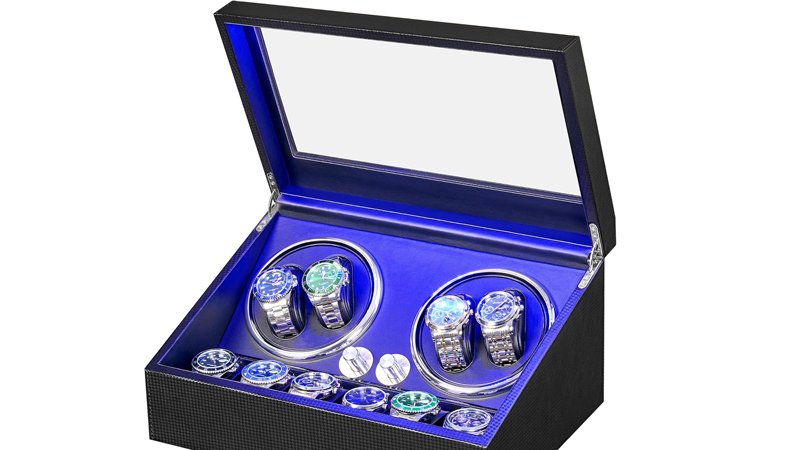
If you own multiple automatics, consider using a watch winder to keep them powered and accurate.


9. Famous Automatic Movements (2025 Highlights)

BrandMovement ModelPower ReserveNotable Watch
Seiko4R3641 hrsSeiko 5 Sports
CitizenMiyota 901542 hrsPromaster Mechanical
TissotPowermatic 8080 hrsTissot PRX Automatic
OmegaCo-Axial Master Chronometer60 hrsOmega Seamaster
RolexCaliber 323570 hrsRolex Submariner

Fashion Audit Recommendation:

The Tissot Powermatic 80 remains a fan favorite in 2025 — stylish, reliable, and impressively efficient.


10. Automatic Movements vs Manual Movements

FeatureAutomaticManual
Winding MethodSelf-winding via rotorManual winding through crown
ConvenienceHighModerate
ComplexityMore componentsSimpler mechanism
Power Reserve36–80 hrs24–48 hrs
MaintenanceSlightly higherSlightly lower

Fashion Audit Verdict:

Automatic watches offer convenience; manual watches offer intimacy. Both share timeless charm.


11. Caring for an Automatic Watch

Daily Care:

  • Wear regularly to keep it running.
  • Avoid sudden shocks or magnetic fields.
  • Store on a winder if not used daily.

Maintenance Schedule:

  • Service every 3–5 years.
  • Have seals checked for water resistance.
  • Clean the case and bracelet with a soft cloth.

Fashion Audit Tip:

Treat your automatic like a vintage car — care for it, and it will last a lifetime.


12. Conclusion: The Poetry of Precision

The automatic movement isn’t just a timekeeping mechanism — it’s a masterpiece of balance and ingenuity.
It captures human craftsmanship, driven by the motion of life itself.

For collectors, professionals, and enthusiasts alike, owning an automatic watch is a symbol of connection — between man, machine, and motion.

Fashion Audit Final Verdict:

“Automatic watches don’t just tell time — they tell a story that winds itself with every heartbeat.”

Disclaimer:
All trademarks, logos, product names, and brand identifiers mentioned on FashionAudit.com are the property of their respective owners. They are used solely for the purpose of product review, comparison, and consumer information. FashionAudit.com does not claim any ownership of these marks.

No copyright or trademark infringement is intended. If any brand or rights holder believes their intellectual property has been misused, they can contact us directly and we will address the issue promptly.