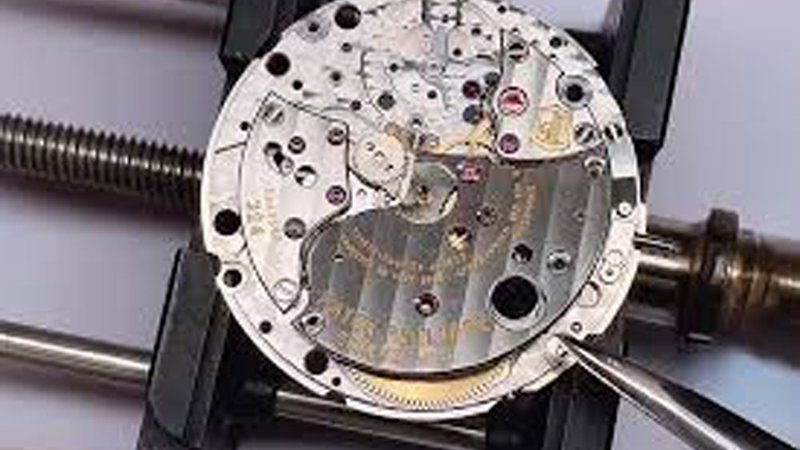
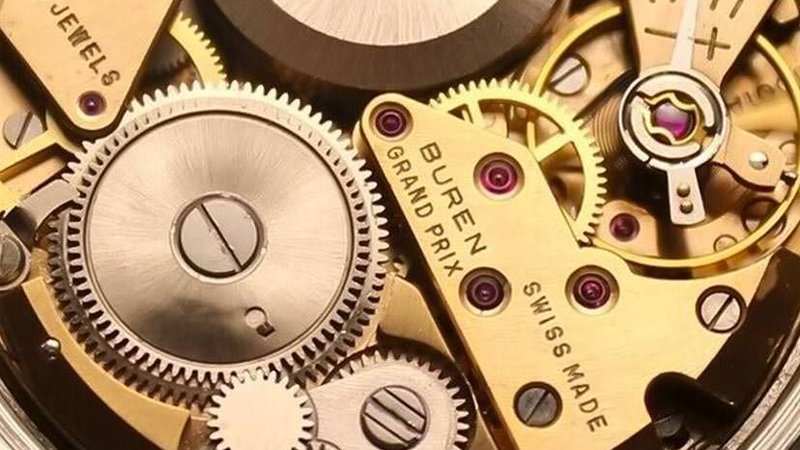
Few things in watchmaking capture craftsmanship and precision like an automatic movement. Known as self-winding watches, these timepieces blend art, engineering, and motion — powered not by batteries, but by your own wrist’s natural movement.
From the sweeping second hand to the intricate rotor that powers it, automatic watches represent the living soul of horology — a perfect balance of tradition and technology.
In this Fashion Audit guide, we’ll explain everything about automatic movements — how they work, what makes them unique, and why they remain the heartbeat of luxury watchmaking in 2025.
1. What Is an Automatic Movement?
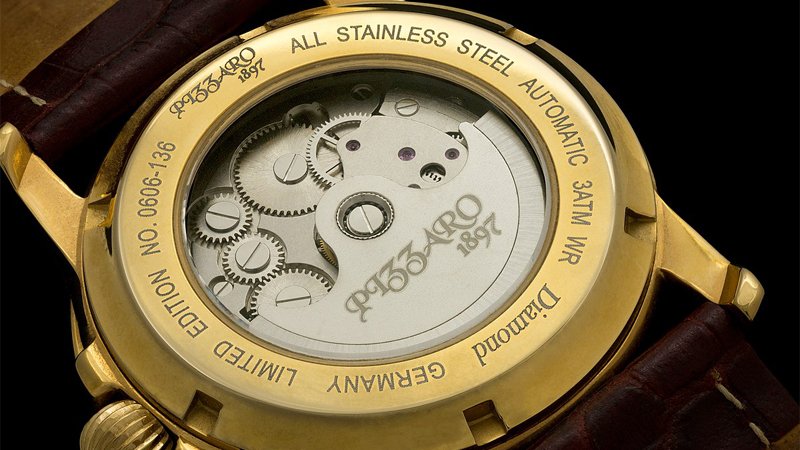
An automatic movement (also known as a self-winding movement) is a type of mechanical watch movement that winds itself automatically through the natural motion of the wearer’s wrist.
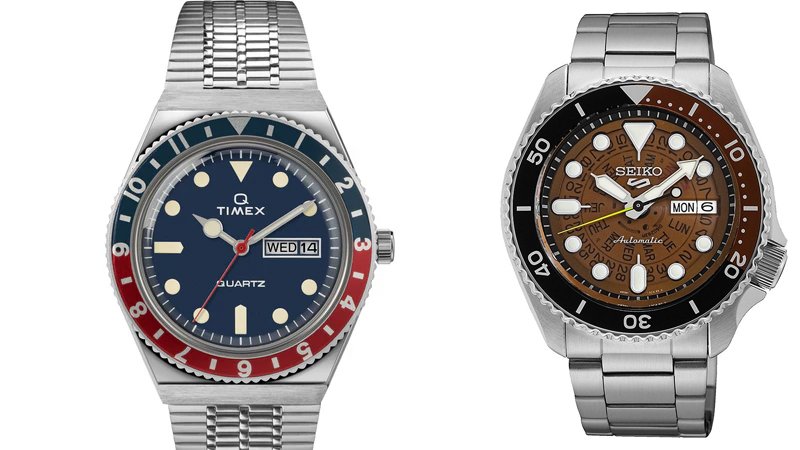
Unlike quartz or battery-powered watches, automatics are entirely mechanical, made up of hundreds of tiny gears, springs, and screws — no electronics, no batteries, just pure mechanical energy.
Fashion Audit Insight:
An automatic movement is a living mechanism — it breathes through motion and ticks with precision.
2. How an Automatic Watch Works
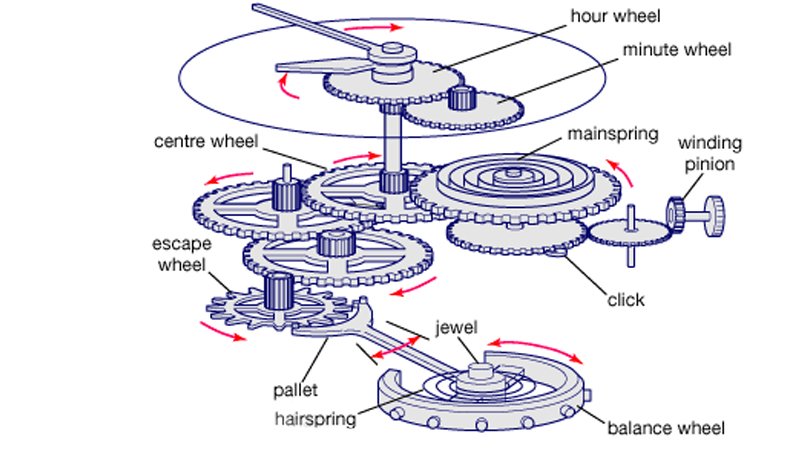
At its core, an automatic watch operates on the same principle as a manual mechanical watch, but with an added rotor — a semicircular metal weight that spins as you move your wrist.
Step-by-Step Process:
Motion Powers the Rotor – As you wear the watch, the rotor swings freely with every wrist movement.
Rotor Winds the Mainspring – The rotor transfers energy to wind the mainspring automatically.
Energy Storage – The mainspring stores energy, releasing it gradually.
Gear Train Transmission – Energy travels through the gear train to power the hands.
Escapement Regulation – The escapement and balance wheel control energy flow to maintain accurate time.
Power Reserve:
Automatic watches typically have a power reserve of 36 to 80 hours, meaning they continue to run for 1–3 days after being removed.
Fashion Audit Tip:
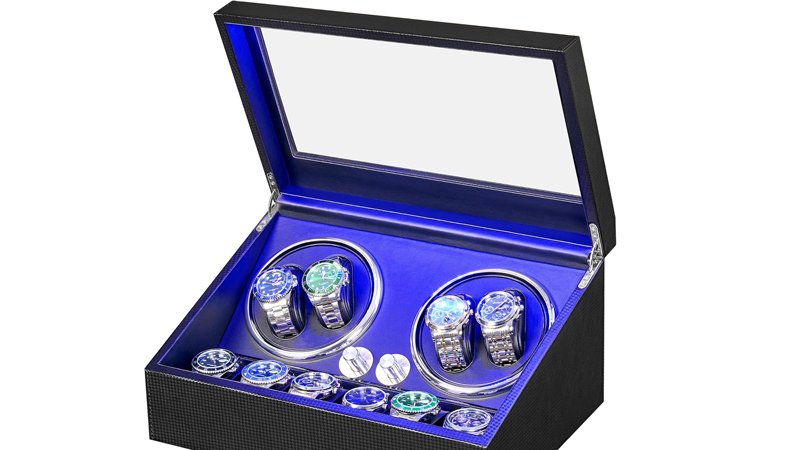
Wearing your automatic daily keeps it fully wound — no manual winding required.
3. The History of Automatic Movements
The concept of a self-winding watch dates back centuries.
Timeline:
1770s: Abraham-Louis Perrelet invents the first self-winding pocket watch.
1920s: John Harwood creates the first automatic wristwatch.
Treat your automatic like a vintage car — care for it, and it will last a lifetime.
12. Conclusion: The Poetry of Precision
The automatic movement isn’t just a timekeeping mechanism — it’s a masterpiece of balance and ingenuity. It captures human craftsmanship, driven by the motion of life itself.
For collectors, professionals, and enthusiasts alike, owning an automatic watch is a symbol of connection — between man, machine, and motion.
Fashion Audit Final Verdict:
“Automatic watches don’t just tell time — they tell a story that winds itself with every heartbeat.”
Disclaimer: All trademarks, logos, product names, and brand identifiers mentioned on FashionAudit.com are the property of their respective owners. They are used solely for the purpose of product review, comparison, and consumer information. FashionAudit.com does not claim any ownership of these marks.
No copyright or trademark infringement is intended. If any brand or rights holder believes their intellectual property has been misused, they can contact us directly and we will address the issue promptly.
Table of Contents
Get the weekly audit
One tested product, one honest verdict, every Friday.
Dr. Martens plc is listed in London and makes most boots in Vietnam and Laos. Its only Indian company is a Bangalore tech centre; here is what the shelf showed.
Who owns Dillinger, the Tiruppur T-shirt label: the firm that sells it, who holds its trade marks, where it is declared made and what it costs in India.
Da Milano is run by a Delhi company, its declarations name Indian makers in Gurgaon, Kolkata and Noida, and it sold at 72.7% of MRP on Myntra in September 2026.
Who owns ColorPlus, which Raymond companies are printed on its marks and sell it, and whose names sit on the manufacturer line of its marketplace packs.
Puig has held a majority of Charlotte Tilbury since 2020 and 85% since April 2026. Indian prices against the US list, the Nykaa channel and the product claims.
Dr. Martens plc is listed in London and makes most boots in Vietnam and Laos. Its only Indian company is a Bangalore tech centre; here is what the shelf showed.
Who owns Dillinger, the Tiruppur T-shirt label: the firm that sells it, who holds its trade marks, where it is declared made and what it costs in India.
Da Milano is run by a Delhi company, its declarations name Indian makers in Gurgaon, Kolkata and Noida, and it sold at 72.7% of MRP on Myntra in September 2026.
Who owns ColorPlus, which Raymond companies are printed on its marks and sell it, and whose names sit on the manufacturer line of its marketplace packs.