
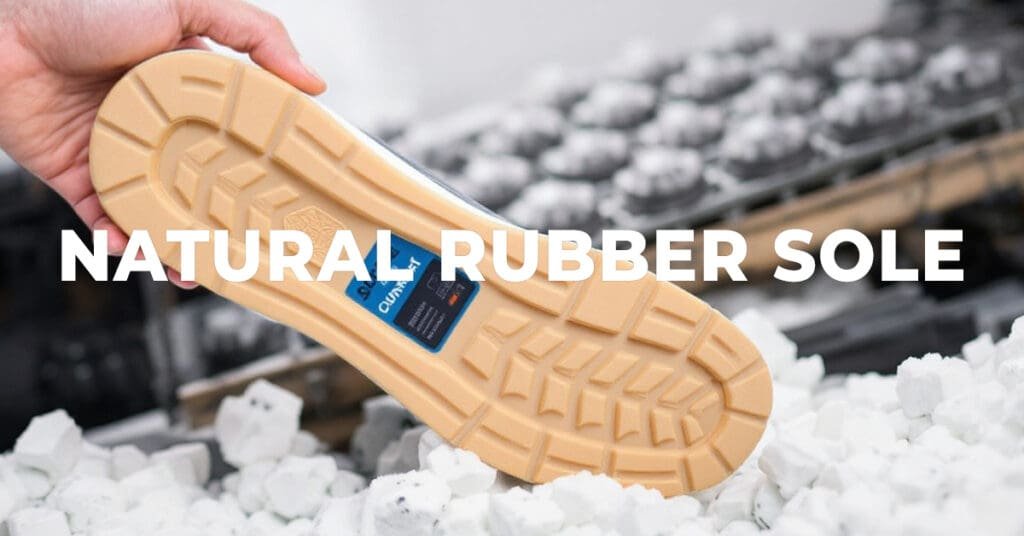
Introduction: Why Rubber Soles from Natural Sources Matter
Shoe soles influence how footwear feels, grips, and lasts. However, many modern soles rely heavily on petroleum-based materials. Soles derived from natural latex offer a different approach by combining comfort, traction, and sustainability.
Moreover, as consumers look for eco-conscious materials, brands increasingly turn toward plant-based rubber options. As a result, understanding these soles helps you make better footwear choices—especially during a thoughtful fashion audit focused on comfort and environmental impact.
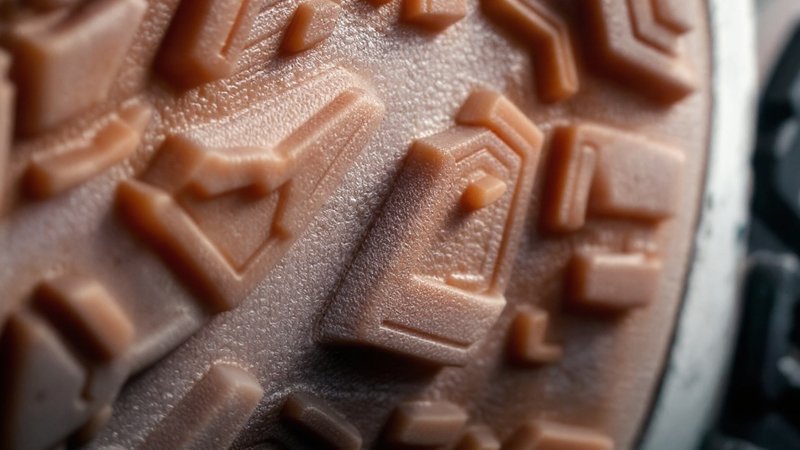
What Makes Rubber Soles from Natural Latex Different?
These soles come from latex tapped from rubber trees, not synthetic compounds. Manufacturers process the latex into durable, flexible rubber suitable for footwear.
You’ll often find this type of sole in:
- Casual shoes
- Dress shoes
- Sustainable sneakers
- Handcrafted footwear
- Comfort and minimalist designs
Because the material stays elastic, it supports natural foot movement.
How Rubber Tree Latex Becomes a Shoe Sole
Manufacturers follow a clear process:
- Collecting latex sap from rubber trees
- Filtering and curing the latex
- Vulcanizing it for strength
- Molding or cutting the sole shape
- Attaching the sole to the shoe upper
As a result, the finished sole balances flexibility with durability.
Key Benefits of Plant-Based Rubber Soles
Reliable Grip and Traction
Latex-based rubber grips surfaces well. Therefore, it performs confidently on daily walking surfaces.
Flexible Walking Comfort
The material bends easily, which supports natural movement.
Shock Absorption
Rubber cushions impact and reduces foot fatigue.
Environmentally Responsible Choice
This material comes from a renewable natural source.

Natural Latex Rubber vs Synthetic Rubber Soles
| Feature | Natural Latex Rubber | Synthetic Rubber |
|---|---|---|
| Source | Plant-based | Petroleum-based |
| Grip | Excellent | Good |
| Flexibility | High | Moderate |
| Comfort | Soft & responsive | Firmer |
| Sustainability | Renewable | Non-renewable |
| Aging | Softens gradually | Can stiffen |
As a result, latex-based rubber feels more comfortable for everyday wear.
Where These Rubber Soles Are Commonly Used
Footwear brands often use them in:
- Casual daily shoes
- Formal and office footwear
- Eco-friendly collections
- Children’s shoes
- Comfort-first designs
Therefore, this sole type works across both style and function.
How Latex-Based Rubber Soles Age Over Time
This material ages naturally. Instead of cracking quickly, it becomes slightly softer while maintaining grip.
Over time:
- Traction stays reliable
- Flexibility improves
- Color may darken naturally
As a result, proper care helps extend usability.
Care Tips for Shoes with Latex Rubber Soles
Good habits protect sole quality. For example:
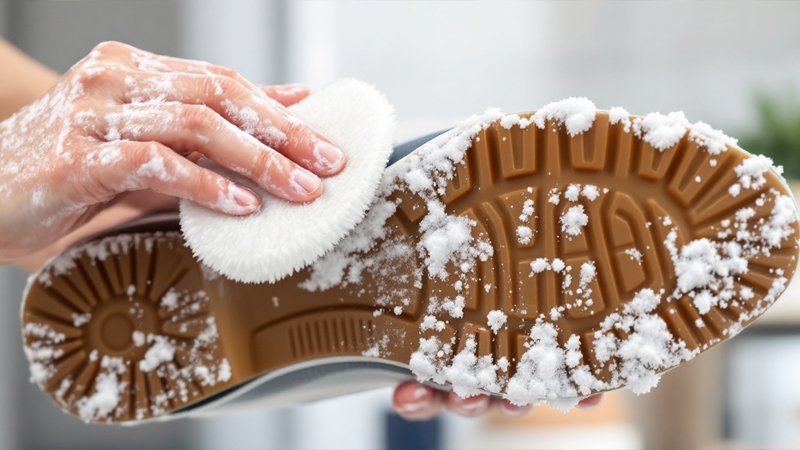
- Clean gently with a soft brush
- Use mild soap and water
- Dry away from direct sunlight
- Avoid prolonged heat exposure
Are These Soles Durable Enough for Daily Wear?
Yes, for everyday walking and casual use. However, they may wear faster than hard synthetic soles on rough terrain.
Best suited for:
- Daily commuting
- Office and casual wear
- Urban environments
- Comfort-driven footwear
They are not designed for industrial or extreme conditions.
Sustainability Perspective
Latex-based rubber supports renewable harvesting and biodegradability. Long-lasting comfort also reduces the need for frequent shoe replacement.
Because of this, footwear using this sole material often scores well during an eco-conscious fashion audit, especially when renewable sourcing matters.
When This Type of Rubber Sole Is the Right Choice
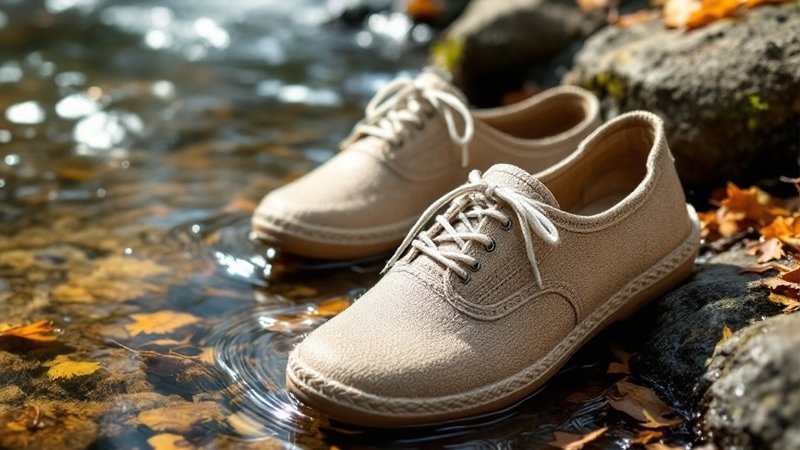
Choose footwear with plant-based rubber soles if you want:
- Strong everyday grip
- Flexible walking comfort
- Environmentally mindful materials
- Balanced durability
As a result, these soles suit modern, conscious lifestyles.
Common Mistakes to Avoid
However, many people:
- Store shoes in hot places
- Expect extreme abrasion resistance
- Skip regular cleaning
- Use harsh chemicals
Avoiding these mistakes helps preserve performance.
FAQs
Q1: Do latex-based rubber soles provide good grip?
Yes, they offer excellent traction.
Q2: Are these soles eco-friendly?
Yes, they come from renewable natural sources.
Q3: Do they wear out quickly?
They wear moderately and soften with time.
Q4: Are they comfortable for walking?
Yes, flexibility and cushioning improve comfort.
Q5: Can these soles be repaired?
Often yes, depending on construction.
Conclusion: Comfort, Grip & Responsibility in One Sole
In conclusion, soles made from natural latex deliver a rare mix of grip, flexibility, and environmental responsibility. While they may not suit heavy-duty use, they excel in daily comfort and mindful design.
Ultimately, whether you’re choosing everyday footwear or reviewing material choices during a thoughtful fashion audit, this sole type offers a smart balance of performance and sustainability.