
Introduction: The Secret Behind That Polished Shine
Ever wondered how some watches get that deep gold, jet black, or rose-toned finish that never fades?
The answer often lies in a surface treatment known as Ion Plating (IP) — a cutting-edge coating technique used by top brands like Casio, Citizen, Titan, and Seiko.
Ion plating doesn’t just make a watch look luxurious — it also makes it stronger, more durable, and resistant to everyday wear.
In this Fashion Audit guide, we’ll break down what ion plating is, how it differs from other coatings like PVD, and why it’s become a favorite among modern watchmakers.
1. What Is Ion Plating (IP)?
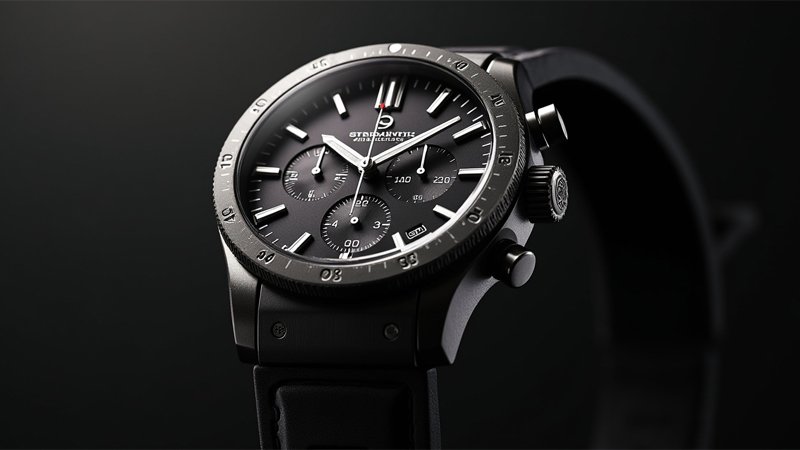
Ion Plating is an advanced vacuum-based coating process that bonds a thin layer of metal or compound onto a watch’s surface using ionized particles.
It’s an upgraded version of PVD (Physical Vapor Deposition), offering greater hardness, stronger adhesion, and more vibrant colors.
In Simple Terms:
Ion plating fuses color molecules into the metal surface, making the finish part of the metal itself, not just a layer on top.
The Science Behind It:
- The watch case or bracelet is placed inside a vacuum chamber.
- The coating material (like titanium nitride or zirconium) is vaporized into ions using an electric current.
- These charged particles bond permanently to the watch’s metal surface at a molecular level.
Fashion Audit Insight:
Think of ion plating as “metallic tattooing” — the color and protection sink into the surface, not just sit on top.
2. Why Watches Use Ion Plating
Modern watches use ion plating to combine beauty with toughness.
The coating enhances the metal’s performance and keeps the finish looking new for years.
Key Benefits:
- Increased hardness — up to 8x harder than conventional plating.
- Superior scratch resistance.
- Better color retention and shine.
- Corrosion resistance — ideal for humid or salty environments.
- Environmentally friendly process (no harmful chemicals).
Fashion Audit Note:
Ion plating is used on stainless steel and titanium watches to achieve durable colors like black, rose gold, and gunmetal.

3. Ion Plating vs PVD Coating: What’s the Difference?
Ion Plating and PVD are often used interchangeably, but IP is actually a more refined and durable version of PVD.
| Feature | Ion Plating (IP) | PVD Coating |
|---|---|---|
| Process | Ion bombardment under vacuum | Physical vapor deposition |
| Bond Strength | Stronger (ionic fusion) | Moderate (surface bonding) |
| Durability | Higher (8x harder than traditional plating) | Excellent |
| Finish Quality | Deeper, more uniform | Smooth and glossy |
| Color Options | Black, Gold, Rose Gold, Gunmetal | Similar |
| Used By | Casio, Citizen, Titan, Seiko | Tissot, Rado, Fossil |
Fashion Audit Verdict:
Both are excellent, but Ion Plating offers slightly stronger adhesion and resistance — making it ideal for sporty or rugged timepieces.
4. Types of Ion-Plated Finishes in Watches
Ion plating allows brands to create a variety of rich, lasting tones:
| Finish | Material Used | Common in |
|---|---|---|
| Gold IP | Titanium Nitride | Dress watches (Titan, Citizen) |
| Rose Gold IP | Copper Alloy | Unisex and luxury models |
| Black IP | Carbon or Graphite | Sports and fashion watches |
| Gunmetal IP | Nickel Alloy | Military and rugged watches |
| Blue IP | Cobalt Compounds | Modern or tech-inspired watches |
Fashion Audit Tip:
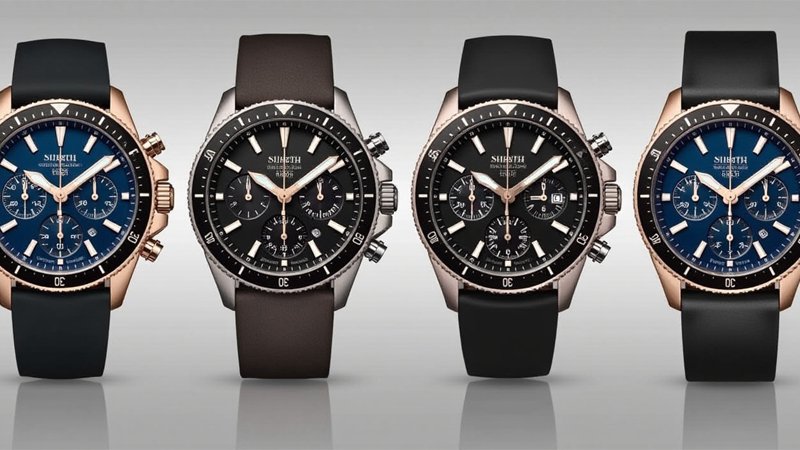
Black and Rose Gold IP finishes are trending in 2025 — elegant yet versatile for both men and women.
5. Durability and Lifespan of Ion Plating
Ion plating is designed to last 5–10 years or more with proper care.
The coating is extremely thin (1–5 microns) but forms a molecular bond with the metal, making it highly resistant to peeling or fading.
Durability Factors:
- Frequency of wear
- Exposure to chemicals and sweat
- Coating thickness and quality
- Brand manufacturing standards
Fashion Audit Insight:
A well-maintained ion-plated watch can easily outlast uncoated stainless steel when it comes to appearance and corrosion resistance.
6. How to Care for Ion-Plated Watches
Proper care keeps the coating intact and the color rich for years.
Daily Care:
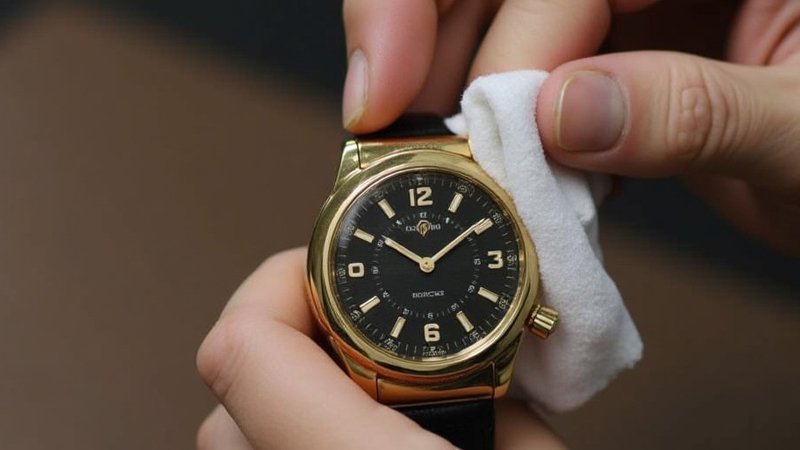
- Wipe your watch with a soft microfiber cloth after use.
- Avoid perfumes, sanitizers, and detergents — these can weaken the coating.
- Remove your watch before swimming, gym workouts, or heavy-duty tasks.
Monthly Maintenance:
- Mix mild soap with warm water.
- Dip a cloth (not the whole watch) and gently wipe the surface.
- Rinse with a damp cloth and dry thoroughly.
Storage:
- Store separately from other metal accessories to prevent scratches.
- Use a watch box with soft lining.
Fashion Audit Tip:
Avoid metal polishing creams — they can strip the ion layer. Stick to soft cloth cleaning.
7. Common Brands Using Ion Plating (2025)
| Brand | Example Model | Finish |
|---|---|---|
| Casio Edifice | EQB Series | Black IP |
| Citizen | Eco-Drive Chronograph | Gold IP |
| Seiko | Presage Sharp Edge | Rose Gold IP |
| Titan | Grandmaster | Black IP |
| Fossil | Nate Chronograph | Gunmetal IP |
Fashion Audit Note:
Even affordable brands now use ion plating for premium finishes — it’s no longer limited to luxury timepieces.
8. Advantages of Ion-Plated Watches
Pros:
- Enhanced surface hardness (up to 1200 HV)
- Deep, luxurious color finish
- Resistant to corrosion, sweat, and wear
- Eco-friendly and long-lasting
- Maintains shine for years
Cons:
- Can still scratch under harsh use
- Slightly more expensive than uncoated steel
- Cannot be re-polished once coating wears off
Fashion Audit Verdict:
Ion plating offers the perfect middle ground — luxury finish, rugged performance, and long-lasting shine.
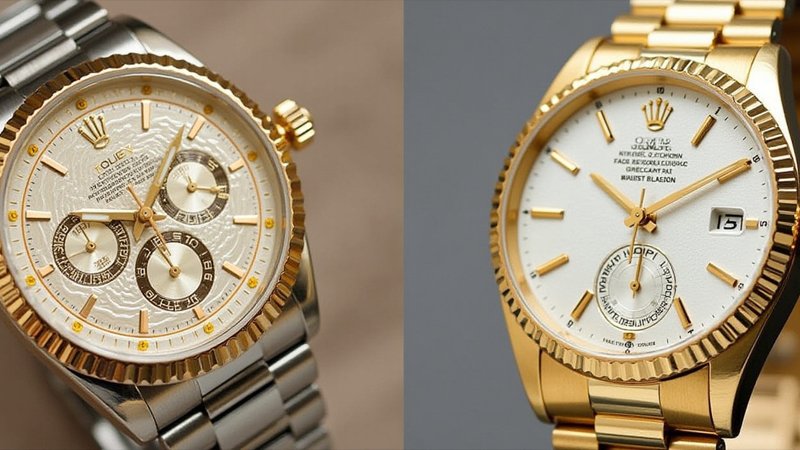
9. Ion Plating vs Traditional Gold Plating
| Feature | Ion Plating (IP) | Gold Plating |
|---|---|---|
| Durability | 5–10 years | 1–2 years |
| Bond Strength | Molecular fusion | Surface layer |
| Eco-Friendliness | Clean, chemical-free process | Uses heavy chemicals |
| Color Retention | Excellent | Fades or tarnishes |
| Maintenance | Easy | Requires polishing |
Fashion Audit Tip:
For gold watches, Ion-Plated Gold is a smarter investment — it stays bright and untarnished for years.
10. How Long Does Ion Plating Last?
With proper maintenance, ion plating can last 7–10 years before showing noticeable wear.
On premium watches with thicker coatings (5 microns or more), it can last even longer.
Signs of Wear:
- Fading around bracelet edges
- Micro scratches from contact with metal
- Dullness in high-friction areas
Fashion Audit Note:
Ion plating won’t peel or chip easily — when it fades, it does so evenly and gracefully.
11. When to Choose an Ion-Plated Watch
Choose an ion-plated watch if you:
- Want color durability with premium finish.
- Live in a humid or coastal climate.
- Wear your watch daily but want it to stay shiny.
- Prefer modern metallic colors like black, rose gold, or gunmetal.
Avoid if you:
- Regularly expose your watch to harsh chemicals.
- Want a fully polishable metal surface (ion layers can’t be buffed).
12. Conclusion: Ion Plating — The Perfect Fusion of Science and Style
Ion plating represents the next level of watch finishing — combining technological precision with timeless elegance.
It protects your watch from scratches, corrosion, and fading while delivering striking colors and a polished, professional look.
Whether it’s a black Casio Edifice, a rose-gold Titan, or a gold Citizen Eco-Drive, ion plating ensures your watch stays beautiful for years.
Fashion Audit Final Verdict:
“Ion plating doesn’t just color your watch — it fortifies it with brilliance.”
Disclaimer:
All trademarks, logos, product names, and brand identifiers mentioned on FashionAudit.com are the property of their respective owners. They are used solely for the purpose of product review, comparison, and consumer information. FashionAudit.com does not claim any ownership of these marks.
No copyright or trademark infringement is intended. If any brand or rights holder believes their intellectual property has been misused, they can contact us directly and we will address the issue promptly.