Introduction: Where Innovation Meets Ethical Fashion
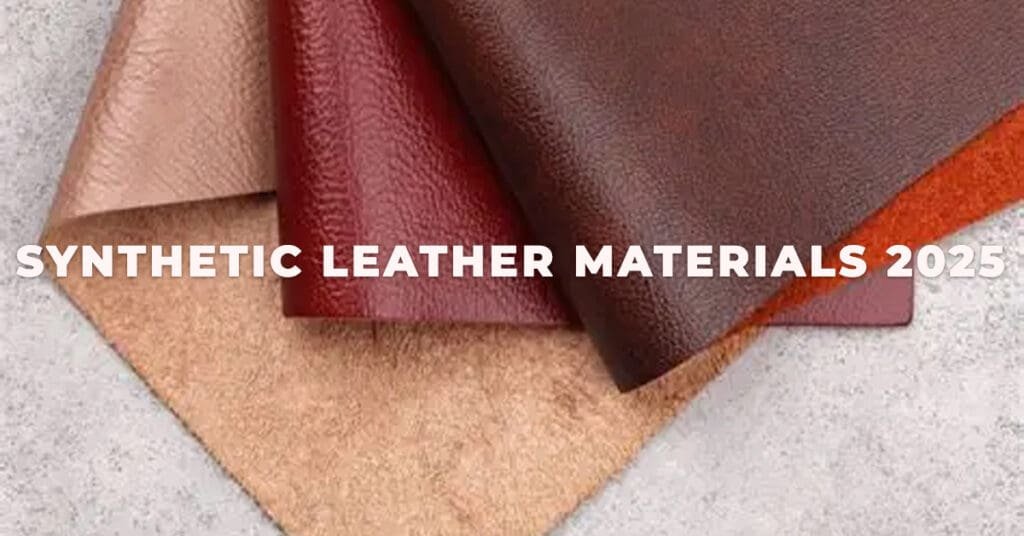
Gone are the days when luxury only meant real leather. In 2025, synthetic leather — also known as faux leather or vegan leather — stands at the forefront of modern footwear innovation.
According to Fashion Audit, consumers today are driven by ethics, innovation, and performance. Synthetic leather delivers all three — offering the look and feel of genuine leather without the environmental or ethical drawbacks.
1. What Is Synthetic Leather?
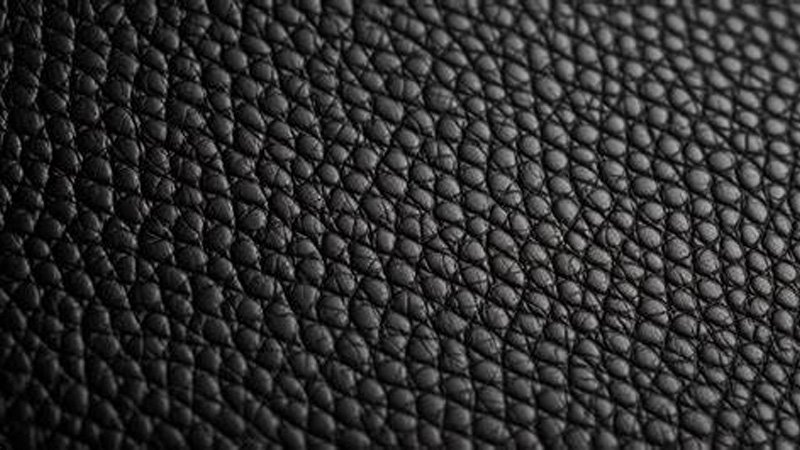
Synthetic leather is a man-made alternative to genuine animal hide, created by coating a fabric base with polymer materials that mimic the texture and flexibility of real leather.
It was originally developed to reduce costs, but advancements in technology have transformed it into a premium, sustainable, and cruelty-free material used in shoes, bags, furniture, and apparel.
Fashion Audit Insight: Synthetic leather has evolved from imitation to innovation — now it’s a fashion choice with purpose.
2. Materials Used in Synthetic Leather
Modern synthetic leather is made using various polymers and fabrics that determine its quality, texture, and environmental impact.
2.1 Polyurethane (PU) Leather
PU leather is the most common and advanced form of synthetic leather. It’s made by coating a fabric base (usually cotton or polyester) with a polyurethane resin.
Key Traits:
- Soft, flexible, and breathable.
- More eco-friendly than older alternatives.
- Can replicate genuine leather’s grain and texture.
Used In: High-end shoes, handbags, car interiors, and fashion accessories.
Fashion Audit Note: PU leather balances affordability with a polished, premium look — perfect for both fast fashion and luxury brands.
2.2 Polyvinyl Chloride (PVC) Leather
PVC leather (vinyl leather) is made by applying PVC coating to a fabric base, often combined with plasticizers for softness.
Key Traits:
- Highly durable and water-resistant.
- Glossy finish and firm texture.
- Less breathable than PU leather.
Used In: Boots, belts, upholstery, and outdoor footwear.
Fashion Audit Observation: PVC leather is strong but heavier — ideal for structured designs.
2.3 Microfiber Leather
A premium-grade synthetic leather made from ultrafine microfiber and PU resin, giving it near-identical feel and performance to real leather.
Key Traits:
- Extremely soft and breathable.
- Scratch-resistant and long-lasting.
- Lightweight with high flexibility.
Used In: Sports shoes, luxury sneakers, and premium handbags.
2.4 Bio-Based Synthetic Leather
The newest and most sustainable innovation in 2025. These materials use plant-based sources such as pineapple leaves, cactus, apple peel, or cork instead of petroleum.
Key Traits:
- Eco-friendly and biodegradable.
- Renewable raw materials.
- Comparable texture to genuine leather.
Used In: Vegan fashion lines and eco-luxury footwear.
Fashion Audit Forecast: Bio-leather is redefining green luxury — merging sustainability with aesthetics.
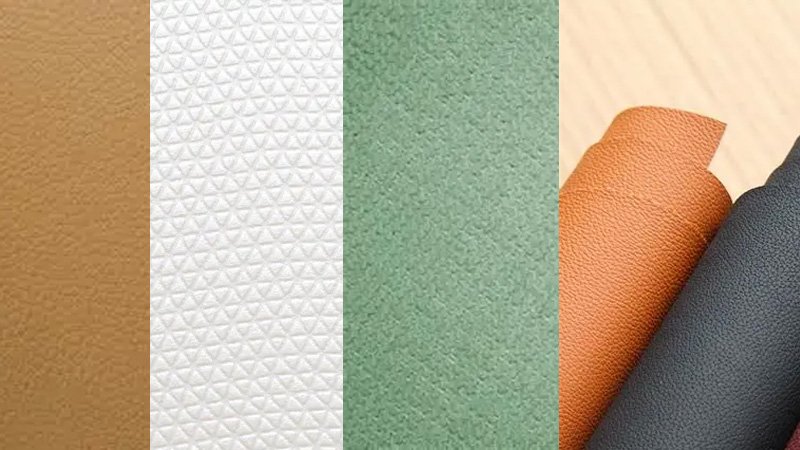
3. Supporting Materials in Synthetic Leather Production
| Component | Material Used | Purpose |
|---|---|---|
| Base Fabric | Polyester, Cotton, Nylon | Provides strength and flexibility |
| Coating Polymer | PU, PVC, or Bio-Resin | Creates texture and water resistance |
| Plasticizers | Phthalate-Free Compounds | Adds softness and elasticity |
| Pigments & Dyes | Water-Based or Organic Colorants | Provides desired color and finish |
| Protective Layer | UV & Abrasion-Resistant Coating | Enhances durability and longevity |
Fashion Audit Tip: The latest eco-conscious production replaces harmful solvents with water-based coatings, reducing emissions and improving safety.
4. Types of Synthetic Leather Finishes
- Matte Finish: Subtle and elegant — ideal for formal footwear.
- Glossy Finish: High shine, perfect for evening or luxury pieces.
- Textured Finish: Embossed patterns replicate real leather grain.
- Metallic Finish: Trendy and bold for fashion-forward collections.
- Perforated Finish: Adds breathability and sporty appeal.
Fashion Audit Observation: Designers now use synthetic leather as a creative medium, not just an imitation material.
5. Advantages of Synthetic Leather
- Cruelty-Free: No animal products used.
- Cost-Effective: Affordable alternative to genuine leather.
- Water-Resistant: Withstands spills and rain.
- Easy Maintenance: Wipe-clean surface.
- Style Versatility: Available in multiple textures and colors.
- Sustainable Options: Bio-leathers reduce environmental impact.
Fashion Audit Insight: Ethical fashion is not just about how it looks — it’s about how it’s made.
6. Limitations of Synthetic Leather
- Less Breathable: May feel warmer than natural leather.
- Can Crack Over Time: Lower-quality versions degrade faster.
- Environmental Impact (Older Types): Traditional PVC is non-biodegradable.
Pro Tip: Always choose PU or bio-based synthetic leather for better sustainability and longevity.
7. Comparison: Synthetic Leather vs Genuine Leather
| Feature | Synthetic Leather | Genuine Leather |
|---|---|---|
| Origin | Man-made (PU/PVC/Bio-based) | Animal hide |
| Breathability | Moderate | High |
| Durability | 5–7 years | 10+ years |
| Maintenance | Easy | Requires care and conditioning |
| Cost | Affordable | Expensive |
| Ethical Factor | 100% cruelty-free | Derived from animals |
| Variety | Wide range of finishes | Limited natural tones |
Fashion Audit Verdict: For the conscious consumer, synthetic leather is the smarter, more sustainable option in 2025.
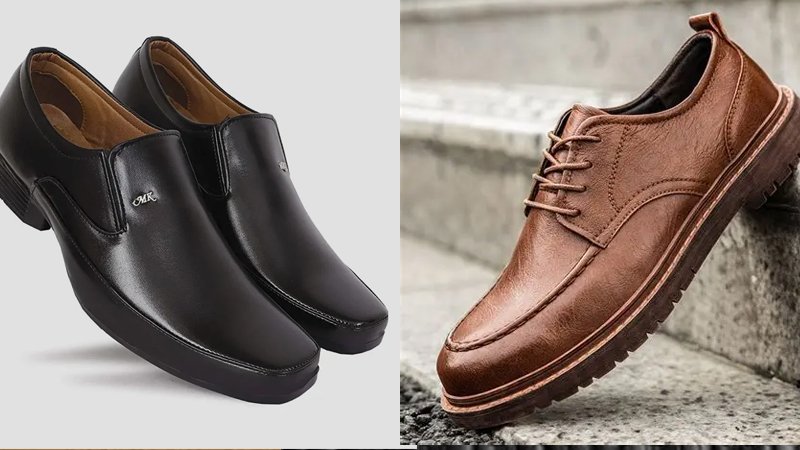
8. Sustainability Trends in Synthetic Leather (2025 Edition)
2025 is the year of eco-engineered synthetic materials. Leading innovations include:
- Plant-Based Leathers: Pinatex (pineapple fiber) and Desserto (cactus leather).
- Mycelium Leather: Grown from mushroom roots, fully biodegradable.
- Water-Based PU Leather: Eliminates toxic solvents.
- Recycled Leather Composites: Made from discarded leather fibers.
- Circular Manufacturing: Designed for recycling and reuse.
Fashion Audit Forecast: Expect bio-synthetic leathers to dominate future footwear collections — sustainable, stylish, and sensory-rich.
9. Care Tips for Synthetic Leather Footwear
- Wipe Clean Regularly: Use a damp cloth; avoid harsh chemicals.
- Condition Occasionally: Apply PU-safe polish for shine and softness.
- Keep Away from Heat: Prolonged exposure can crack surfaces.
- Store Properly: Use shoe trees or stuffing to maintain shape.
- Avoid Over-Bending: Prevent creases by storing upright.
Pro Tip: A little care goes a long way — proper cleaning extends the life of synthetic leather shoes by years.
10. Top Brands Using Synthetic Leather in 2025
| Brand | Material Focus | Highlight Feature |
|---|---|---|
| Adidas | Mylo (mushroom leather) | 100% biodegradable innovation |
| Nike | Flyleather (recycled composite) | Lightweight and eco-friendly |
| Puma | Bio-based PU Leather | Sustainable luxury |
| Veja | Corn & Cactus Leather | Ethical craftsmanship |
| Allbirds | Plant-Based Leather | Minimal carbon footprint |
| H&M Conscious | PU & Recycled Leather Mix | Affordable green fashion |
Fashion Audit Note: Top brands are proving that style and sustainability can coexist beautifully in footwear design.
FAQs About Synthetic Leather
1. What is synthetic leather made from?
Primarily PU, PVC, or microfiber layered on a fabric base like polyester or cotton.
2. Is synthetic leather eco-friendly?
Modern versions — especially bio-based and PU types — are far more sustainable than older PVC variants.
3. Can synthetic leather last as long as real leather?
High-quality PU and microfiber leathers can last up to 7 years with proper care.
4. How do I clean synthetic leather shoes?
Wipe with a soft damp cloth; avoid full water immersion or heat.
5. Does Fashion Audit recommend synthetic leather?
Fashion Audit recommends premium PU or bio-leather footwear for sustainable, cruelty-free style.
Conclusion: The Future of Fashion Is Faux — and Fantastic
Synthetic leather has evolved from imitation to innovation — offering durability, aesthetics, and ethics in one material. It’s affordable, stylish, and eco-friendly, making it the go-to choice for modern footwear.
As Fashion Audit concludes:
“True luxury today isn’t about origin — it’s about intention. And synthetic leather leads that revolution.”
Disclaimer:
All trademarks, logos, product names, and brand identifiers mentioned on FashionAudit.com are the property of their respective owners. They are used solely for the purpose of product review, comparison, and consumer information. FashionAudit.com does not claim any ownership of these marks.
No copyright or trademark infringement is intended. If any brand or rights holder believes their intellectual property has been misused, they can contact us directly and we will address the issue promptly.