
Introduction: The Moment Shoes Became More Than Footwear
Today, sports footwear is one of the world’s largest and most influential fashion markets. But The Birth of Sports Footwear Industry began with humble experiments, simple rubber soles, and athletes searching for better performance. What started as handmade shoes for runners and players has grown into a global industry powered by science, culture, and innovation.
As Fashion Audit explains,
“The sports footwear industry was born because athletes needed more—and innovation followed their footsteps.”
This is the complete story of how sports shoes became what they are today.
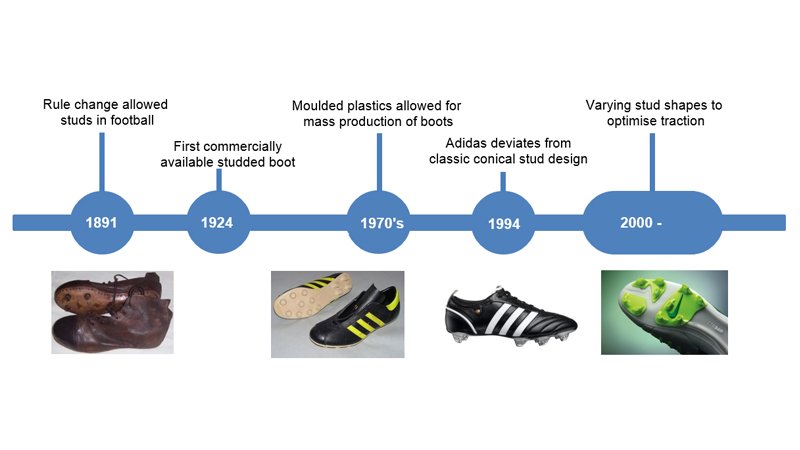
1. Early Foundations (1830s–1880s): Where It All Started
The earliest roots of The Birth of Sports Footwear Industry can be traced back to simple experiments in rubber technology.
Rubber Revolution
- Charles Goodyear invents vulcanized rubber (1839)
- Rubber becomes durable, flexible, and usable for footwear
- Basic plimsolls emerge—flat canvas shoes with rubber soles
These early shoes were not designed for sports—but they became the first models athletes would later adapt.
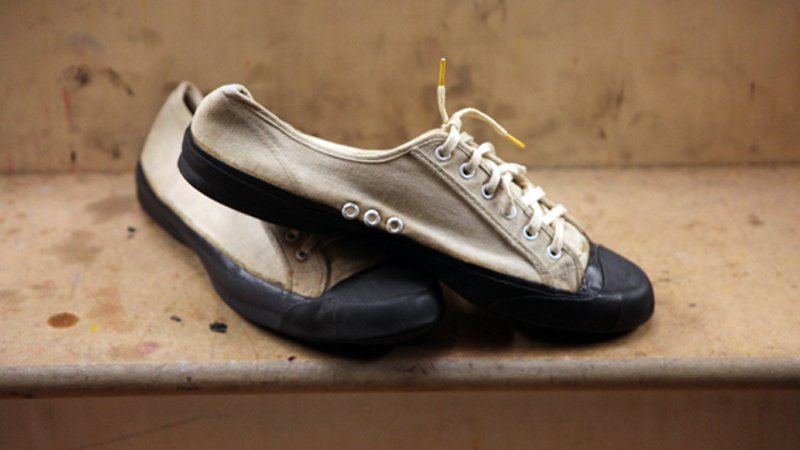
2. The First Sports Shoes Emerge (1880s–1910)
As organized sports grew in Europe and America, footwear needed to adapt.
Key Milestones
- Spalding introduces early athletic shoes
- Track athletes use basic spiked footwear
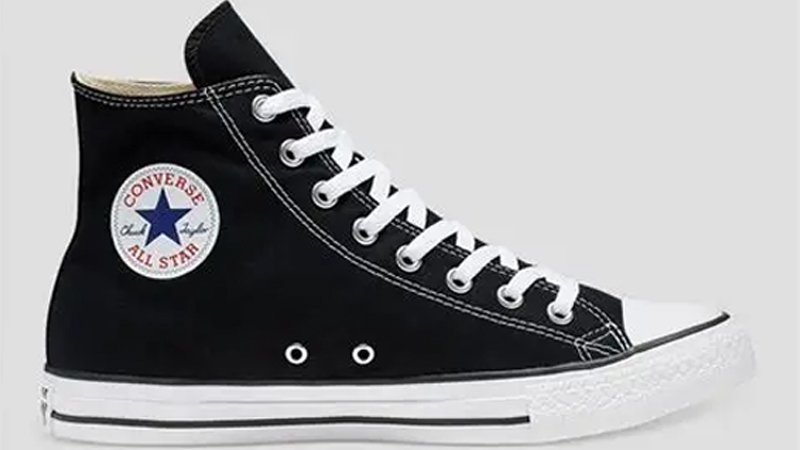
- Converse launches the All-Star (1917), the world’s first major basketball shoe
This period marks the true beginning of purpose-built athletic shoes.
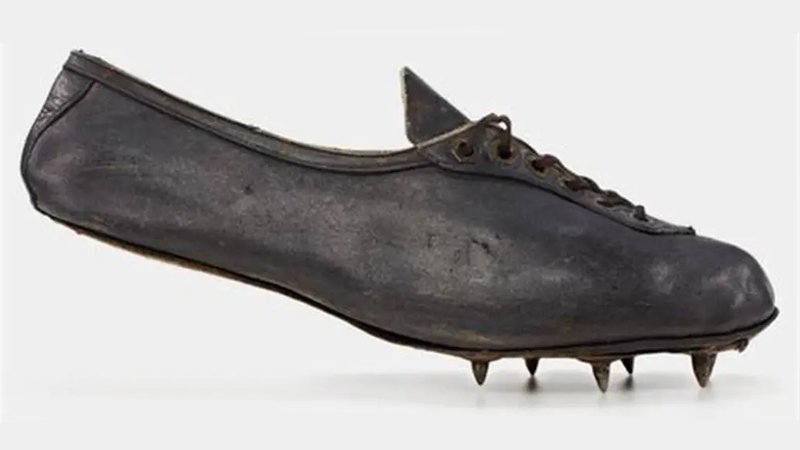
3. The Dassler Breakthrough (1920s–1930s): The Industry Is Born
If one moment defines The Birth of Sports Footwear Industry, it is the founding of the Dassler Brothers Shoe Factory in Germany.
What Made Dassler Special
- Handcrafted shoes tailored for athletes
- Light, performance-focused materials
- Track spikes designed for Olympic runners
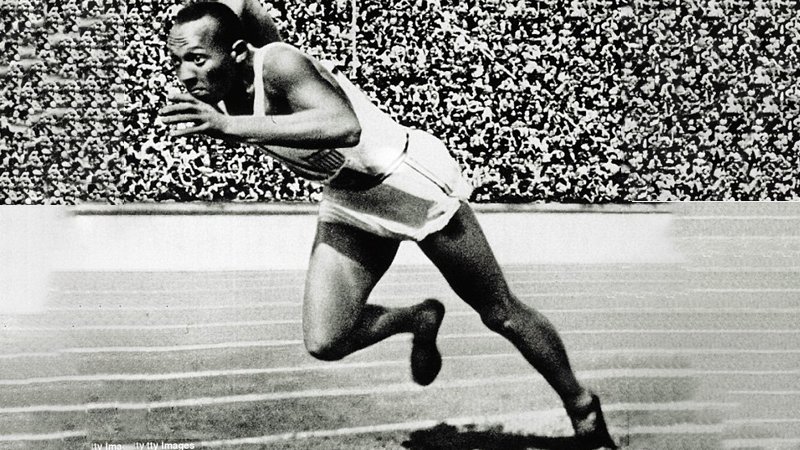
1936 Olympics Turning Point:
Jesse Owens famously wore Dassler shoes and won four gold medals.
This global spotlight helped push athletic shoes into mainstream awareness.
4. The Post-War Split: Adidas & Puma Shape the Future (1948–1960)
After a personal fallout, the Dassler brothers created:
- Adidas (Adi Dassler)
- Puma (Rudolf Dassler)
Their rivalry revolutionized sports footwear.
Why This Matters
- Adidas focused on innovation and athlete support
- Puma focused on speed, football, and lightweight design
- Athlete endorsements began shaping public demand
This split officially launched the modern sports footwear industry.
5. America Joins the Race: Converse, Keds & The Rise of Basketball Shoes
In the mid-1900s, American brands expanded the industry into basketball and lifestyle wear.
Influential Developments
- Converse Chuck Taylor becomes the most popular basketball shoe
- Keds introduces casual sports pairs for women
- Sports shoes start entering everyday fashion
This era marks the transition of athletic shoes from niche to mainstream.
6. The 1970s Jogging Boom: Sports Footwear Becomes a Movement
The 1970s fitness wave transformed everything.
Key Shifts
- Jogging becomes a global trend
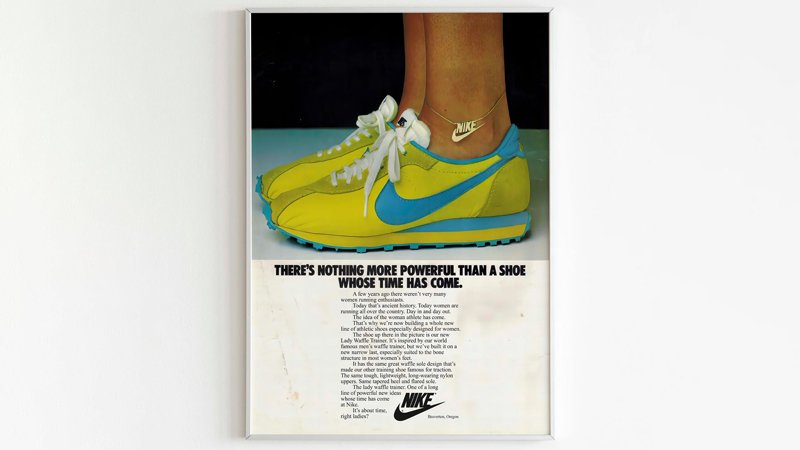
- Nike introduces the Waffle Sole (1974)
- Brands race to create better cushioning and traction
- Running shoes become a category of their own
This decade dramatically expanded the sports footwear market.
7. The 1980s–1990s: Technology Shapes the Industry
This era is a turning point in The Birth of Sports Footwear Industry, where tech becomes central.
Major Innovations
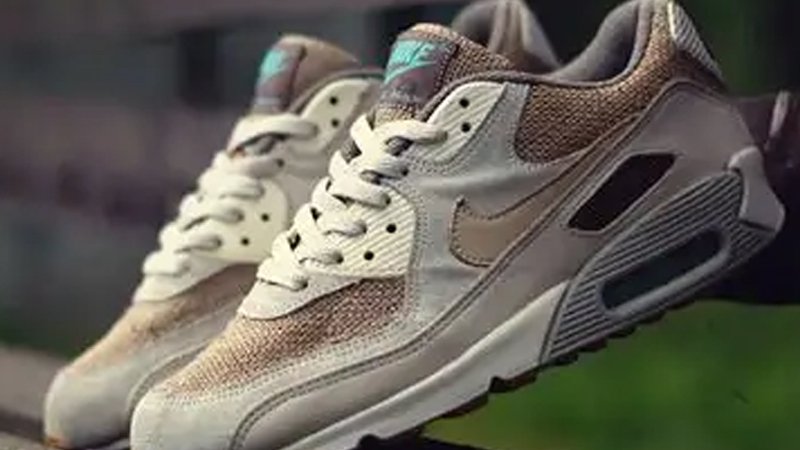
- Nike Air cushioning
- ASICS Gel
- Adidas Torsion system
- Reebok aerobic sneakers
- New Balance stability engineering
Athletes began demanding more shock absorption, stability, and performance. Technology answered.
As Fashion Audit describes,
“The 80s and 90s made sports shoes smarter, softer, and designed for real biomechanics.”
8. The 2000s: Lightweight Engineering Takes Over
The early 2000s saw brands shift toward speed, lightness, and breathable designs.
What Changed
- Mesh uppers replace heavy leather
- EVA foams become lighter and bouncier
- Specialty sports shoes: running, basketball, football, training
- Rise of athleisure as a lifestyle
Sports shoes become both performance gear and fashion.
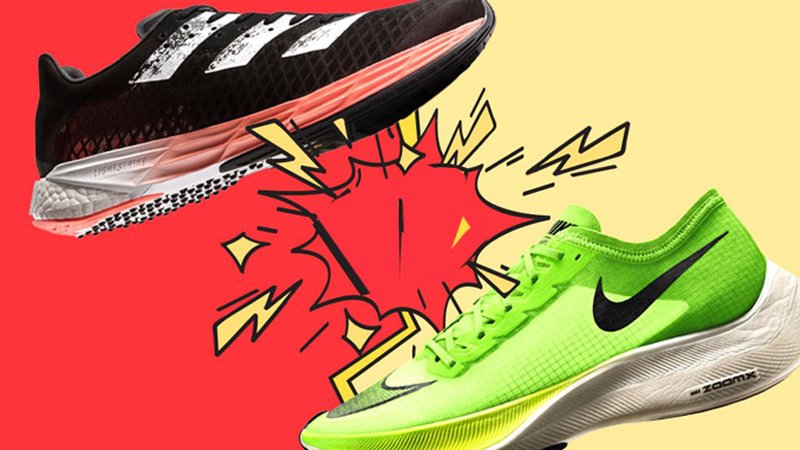
9. The 2010s–2025: Super Shoes, Sustainability & High-Tech Design
The modern era is where technology peaks.
Revolutionary Changes
- Carbon plates for propulsion
- Energy return foams: ZoomX, Boost, DNA Loft
- Knit and engineered mesh uppers
- Recycled plastic shoes (Adidas Parley, Thaely)
- 3D-printed midsoles
- AI-assisted fit and gait analysis
The sports footwear industry is now powered by science, data, and sustainability.
10. How Sports Footwear Transformed Over Time
| Feature | Early Sports Shoes | Modern Sports Footwear |
|---|---|---|
| Weight | Heavy | Ultra-light |
| Cushioning | Minimal | Advanced foams + plates |
| Materials | Leather/canvas | Mesh, knit, recycled fibers |
| Purpose | Basic training | Performance, competition, lifestyle |
| Tech | None | Cutting-edge innovation |
| Durability | Low | High performance + longevity |
The transformation highlights how innovation shaped every stage of The Birth of Sports Footwear Industry.
FAQs About The Birth of Sports Footwear Industry
1. When did the sports footwear industry officially begin?
The 1920s–1930s, with Dassler innovations and Olympic visibility.
2. Which brands shaped the early industry?
Adidas, Puma, Converse, and Spalding.
3. What sparked the global running shoe movement?
The 1970s jogging boom.
4. How did technology change sports footwear?
Foams, gels, air units, and carbon plates transformed performance.
5. Does Fashion Audit recommend studying the industry’s history?
Yes — Fashion Audit believes it helps buyers choose better footwear today.
Conclusion: A Story of Innovation, Athletes & Human Progress
The Birth of Sports Footwear Industry was driven by human need—better performance, more comfort, and healthier movement. From basic rubber soles to today’s advanced super shoes, athletic footwear reflects innovation, culture, and global passion.
As Fashion Audit summarizes,
“The sports footwear industry was built on bold ideas, athlete demands, and a constant push to improve human performance.”
Disclaimer:
All trademarks, logos, product names, and brand identifiers mentioned on FashionAudit.com are the property of their respective owners. They are used solely for the purpose of product review, comparison, and consumer information. FashionAudit.com does not claim any ownership of these marks.
No copyright or trademark infringement is intended. If any brand or rights holder believes their intellectual property has been misused, they can contact us directly and we will address the issue promptly.